





Our Blog Posts
Pizza Oven – Wood Q&A
Posted on: 09/03/2018

Friendly and Reliable Support

Handcrafted and Made in the UK

Quick Build Times

We are rated 'great' on Trustpilot. May 2026
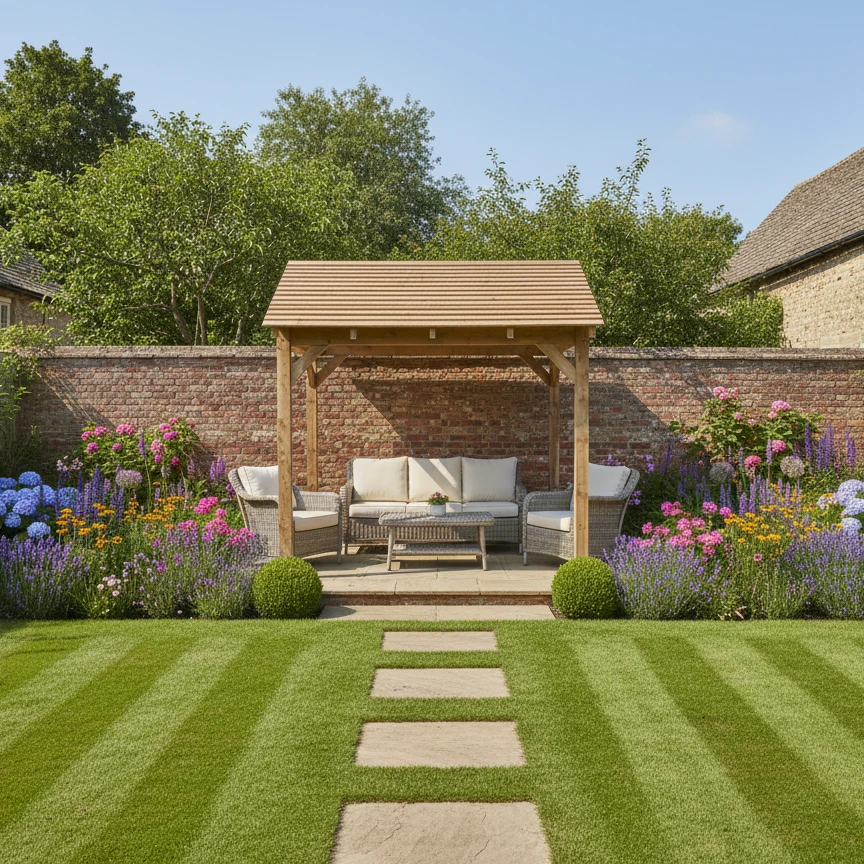
Discover everything you need to know about living timber and how to take care of your new garden building from Pheasant & Co in this article!
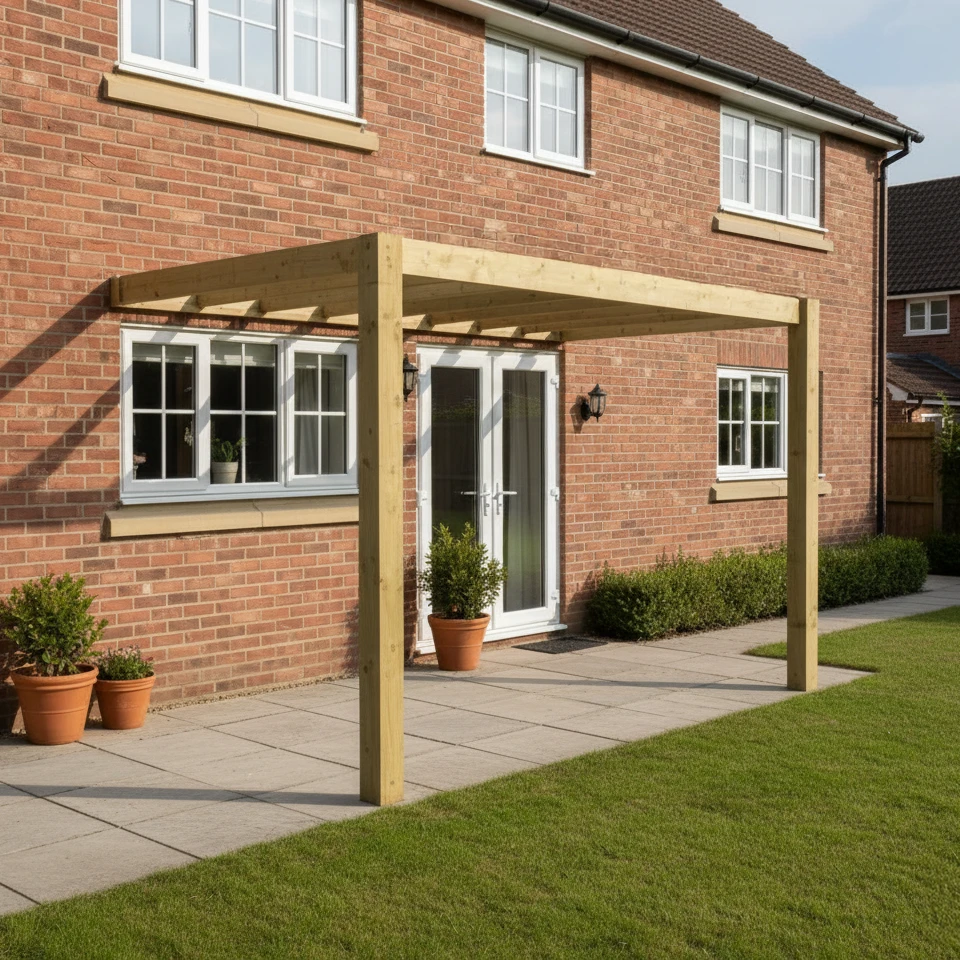
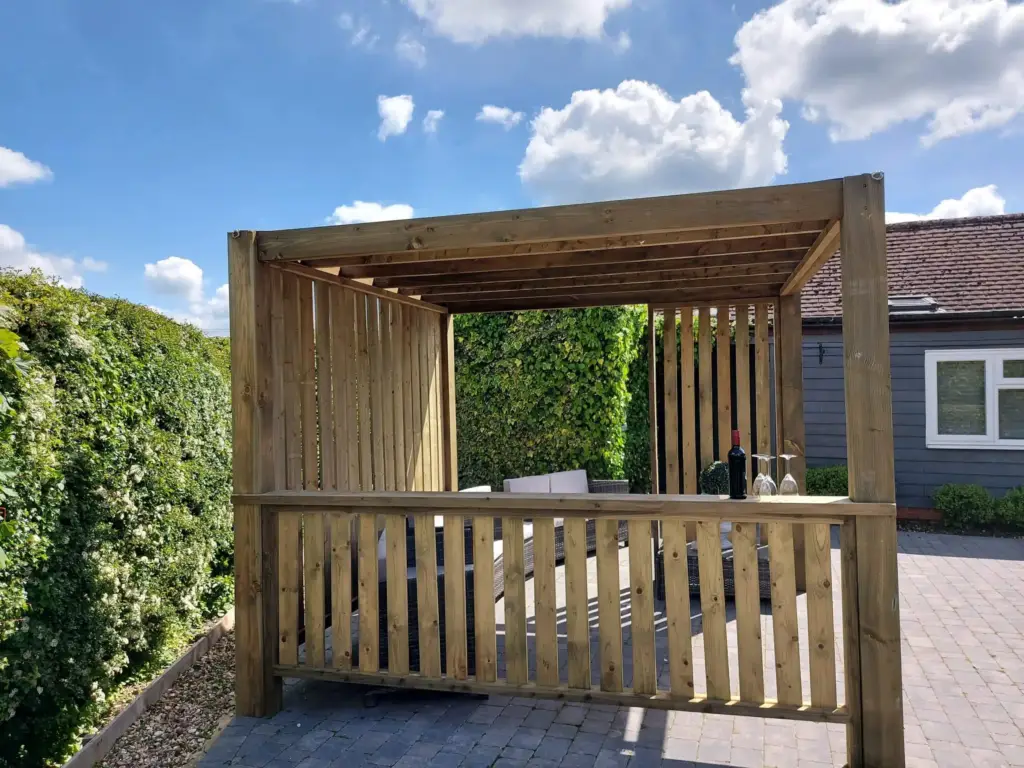
So, you’ve just invested in a beautiful new wooden pergola or gazebo for your garden?
No doubt it’s a great addition, but you may have noticed small cracks or surface movement and be wondering what’s happening.
As a living material that continually responds to its environment even after it’s been cut, shaped, and treated, this is completely normal timber behaviour. It’s nothing to worry about, and should be expected, but it’s also completely manageable with the right care.
In this guide, our experts at Pheasant & Co explain all you need to know about living timber, and how to take care of your new garden building so it looks great for decades to come!

Timber is referred to as a ‘living material’ because its relationship with moisture doesn’t end when a tree is felled.
The cellular structure that once transported water still responds to changes in humidity – absorbing moisture content in wet conditions, releasing it in dry ones, and expanding and contracting with every cycle. In the UK, these cycles happen year-round.
Outdoor timber is never entirely static, and a well-built structure is designed to accommodate that movement.
As timber dries, it shrinks unevenly, which creates internal stress.
When that stress exceeds what the wood can absorb, surface cracks appear. In thick sections like posts and beams, deeper splits are common as outer layers dry faster than the core. This is true across all wood products, from simple raised beds to large garden buildings.
The British climate accelerates this: wet winters and drier summers put timber through repeated moisture cycles every year.
Surface cracks are cosmetic, and don’t affect structural integrity – what you’re seeing is timber behaving exactly as it should.

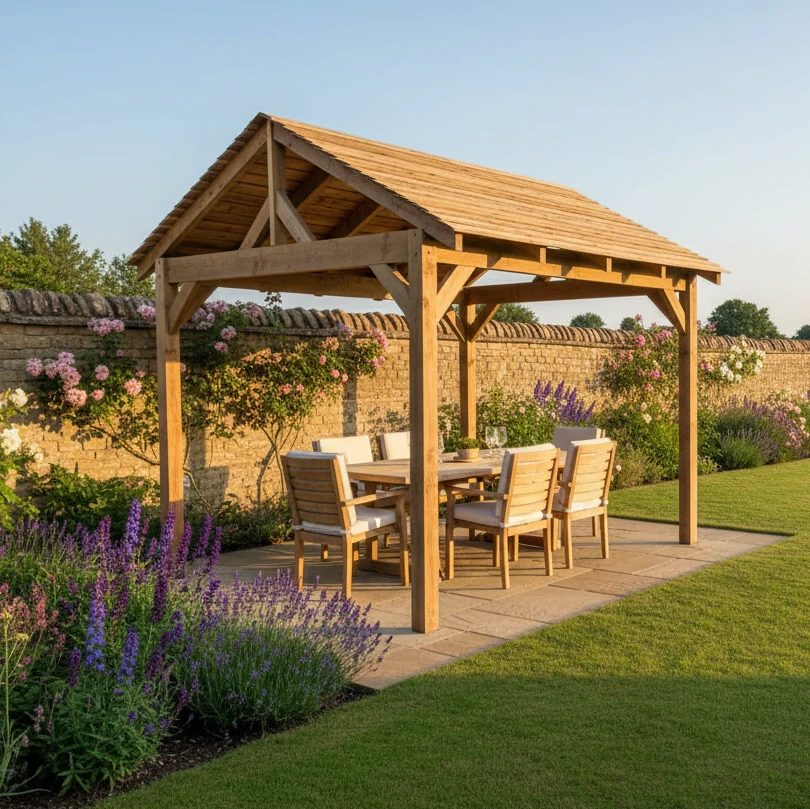
All our garden buildings at Pheasant & Co are made using premium quality pressure-treated, sustainably sourced timber.
During treatment, the preservative is forced deep into the wood under vacuum pressure, providing lasting protection against fungal rot and wood-boring insects – the two things that actually threaten a structure’s lifespan.
It doesn’t prevent natural surface movement, which is normal regardless of treatment. Think of it as the foundation: pressure treatment handles the treats you can see, and regular surface maintenance handles the rest.
Our structures don’t come with a specified topcoat – the right product depends on the finish and maintenance level you prefer.
Exterior wood oil penetrates and nourishes the timber from within, keeping it supple and reducing cracking – a solid all-round choice for pergolas, gazebos, and other timber frame construction projects.
Exterior wood stain adds colour along with UV, water, and extreme weather resistance, while sealant prioritises waterproofing and works well combined with stain.
For new pressure-treated timber, allow around 30 days to weather before applying any topcoat – the preservative needs time to settle before the wood can absorb a surface treatment properly.


Oil and stain: Annually, as a minimum, twice yearly for exposed structures.
Sealant: Once a year, after a light clean and sand.
Treat on a dry day in spring or early autumn – avoid frost, wet conditions, or direct hot sunshine. To check if retreatment is needed, pour a little water on the surface. If it beads, the protection is holding. If it soaks in, it’s time.
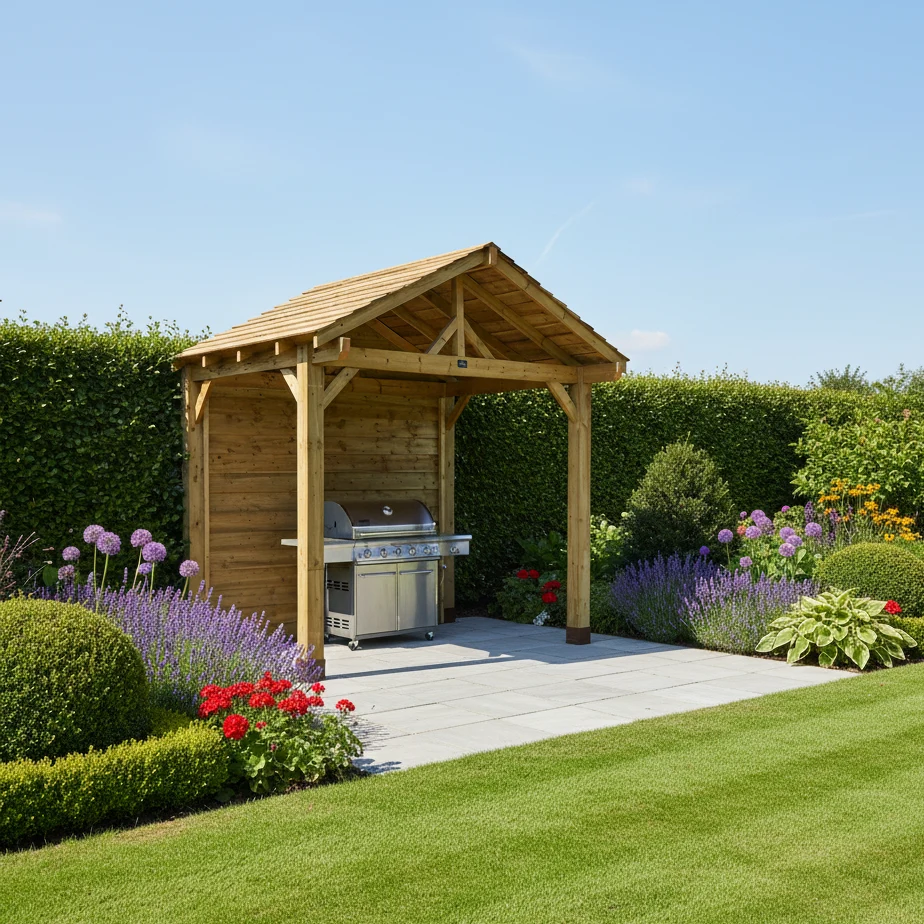
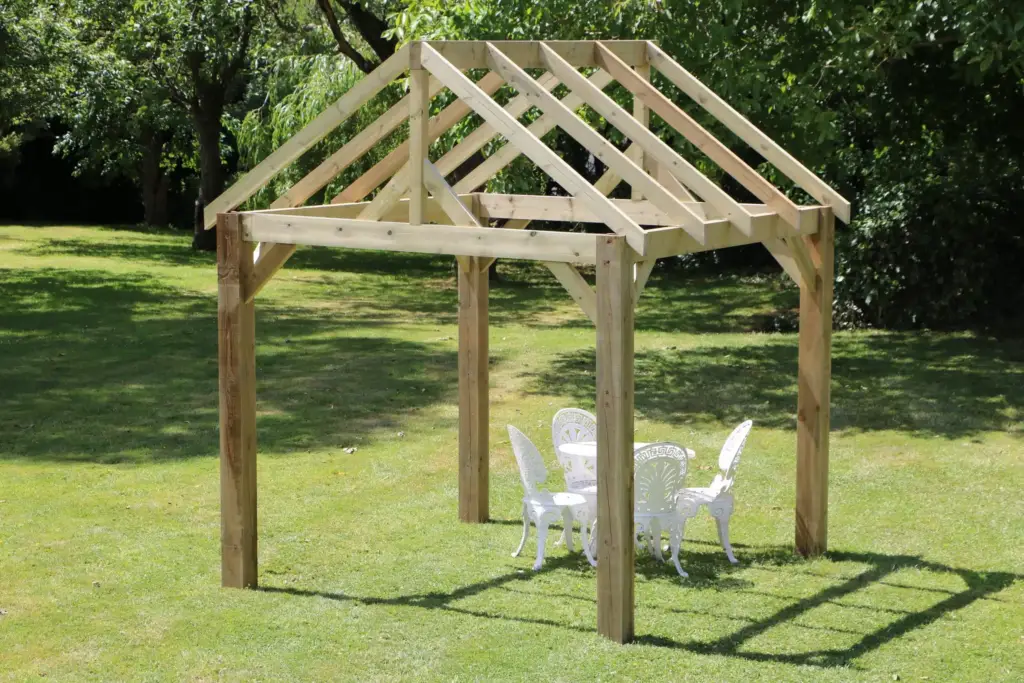
Every structure in our range is handcrafted in Buckinghamshire from premium pressure-treated tanalised softwood – built to last, designed to look great, and made to handle whatever the British weather throws at it. Whether you’re looking for a wooden pergola, a wooden gazebo, a hot tub shelter, or a BBQ shelter, you’ll find a structure built with the same care and quality throughout.
Browse the full range today, or get in touch with our team if you have any questions – we’re happy to help from first enquiry to final fixings


Pheasant supplies outdoor timber buildings that go together smoothly, backed by trade discounts, incentives and British craftsmanship.
Our friendly team supports you from first enquiry to final fixings.